Professor James Spratt
Professor James Spratt | Private Consultant Cardiologist & Interventional Cardiologist London
Professor James Spratt is a leading private consultant cardiologist and interventional cardiologist in London, specialising in the diagnosis and treatment of coronary artery disease, angina, chest pain, heart attack recovery and complex coronary artery blockages. He consults privately at London Heart Group and is also a Consultant Cardiologist at St George's University Hospitals NHS Foundation Trust.
Internationally recognised for his expertise in complex coronary intervention, Professor Spratt has spent more than two decades helping patients with both routine and highly complex heart conditions. He combines exceptional technical expertise with a compassionate, patient-focused approach, ensuring every patient receives a personalised treatment plan tailored to their individual needs and goals.
Whether you are seeking reassurance following new symptoms, a second opinion, or advanced treatment for coronary artery disease, Professor Spratt offers access to some of the most advanced diagnostic techniques and coronary interventions available in modern cardiology.

Professor Spratt specialises in…
-
Angina is a symptom of coronary artery disease that causes chest pain, tightness, pressure, or discomfort when the heart muscle does not receive enough oxygen-rich blood. It most commonly occurs when the coronary arteries become narrowed by a build-up of fatty deposits (atherosclerosis), reducing blood flow during physical activity, emotional stress, or after a heavy meal. Some people also experience pain spreading to the arms, neck, jaw, shoulders, or back, as well as shortness of breath. Although angina itself is not a heart attack, it is an important warning sign that should be assessed promptly to reduce the risk of future heart problems. If you frequently experience angina or chest pain, book an appointment with London Heart Group to rule out serious heart problems. Early evaluation can help ensure your heart health is protected.
-
Coronary artery disease (CAD) is the most common type of heart disease and occurs when the arteries that supply blood to the heart become narrowed or blocked by a build-up of fatty deposits called plaque (atherosclerosis). This reduces blood flow and oxygen to the heart muscle, which can lead to symptoms such as chest pain (angina), shortness of breath, and reduced exercise tolerance. In some people, CAD causes no symptoms until a heart attack occurs. Risk factors include smoking, high blood pressure, high cholesterol, diabetes, obesity, physical inactivity, and a family history of heart disease. Early diagnosis and treatment can help prevent serious complications.
-
Hypertrophic cardiomyopathy (HCM) is an inherited heart condition in which the heart muscle becomes abnormally thickened, making it harder for the heart to pump blood effectively. The thickening most commonly affects the wall between the heart's pumping chambers and can sometimes obstruct blood flow out of the heart. Symptoms may include shortness of breath, chest pain, palpitations, dizziness, or fainting, although many people have no symptoms. HCM can increase the risk of heart rhythm problems and, in rare cases, sudden cardiac arrest. With appropriate monitoring and treatment, most people with HCM can lead active, fulfilling lives.cardiologist are critical to managing VT and preventing life-threatening complications.
-
Recovering from a heart attack is a gradual process that focuses on helping the heart heal, reducing the risk of another cardiac event, and restoring confidence in everyday life. Recovery typically includes taking prescribed medications, adopting heart-healthy lifestyle habits, and participating in a cardiac rehabilitation programme that combines supervised exercise, education, and emotional support. Many people can return to normal activities, including work and exercise, within weeks or months, depending on the severity of the heart attack. Ongoing follow-up with a cardiologist is essential to monitor recovery, manage risk factors such as high blood pressure and cholesterol, and support long-term heart health.
-
Percutaneous coronary intervention (PCI), commonly known as coronary angioplasty with stent insertion, is a minimally invasive procedure used to treat narrowed or blocked coronary arteries. During the procedure, a cardiologist guides a thin tube (catheter) through a blood vessel to the heart, where a small balloon is inflated to widen the narrowed artery. In most cases, a metal mesh tube called a stent is then placed to help keep the artery open and restore healthy blood flow. PCI is commonly performed to relieve symptoms of angina, improve quality of life, and, in the case of a heart attack, quickly restore blood flow to limit damage to the heart muscle.
Education, Training and Experience
Professor Spratt graduated from the University of St Andrews and the University of Manchester before completing specialist cardiology training in the United Kingdom and an advanced fellowship in interventional cardiology at the University Hospital of Geneva.
He holds the qualifications MB ChB, MRCP, MD, FRCP, FESC and FACC, reflecting his extensive training and international recognition within cardiovascular medicine.
Over the course of his career, Professor Spratt has become one of Europe's leading experts in complex coronary intervention. He is regularly invited to lecture, teach and perform live case demonstrations for cardiologists across Europe, North America and internationally, sharing advanced techniques that improve outcomes for patients with complex coronary artery disease.
Throughout his career, he has helped develop and introduce innovative cardiac services including:
Coronary CT angiography
Advanced coronary imaging
Radial artery (wrist) access coronary procedures
Chronic Total Occlusion (CTO) intervention
Coronary calcium modification techniques
Treatment of advanced coronary artery disease
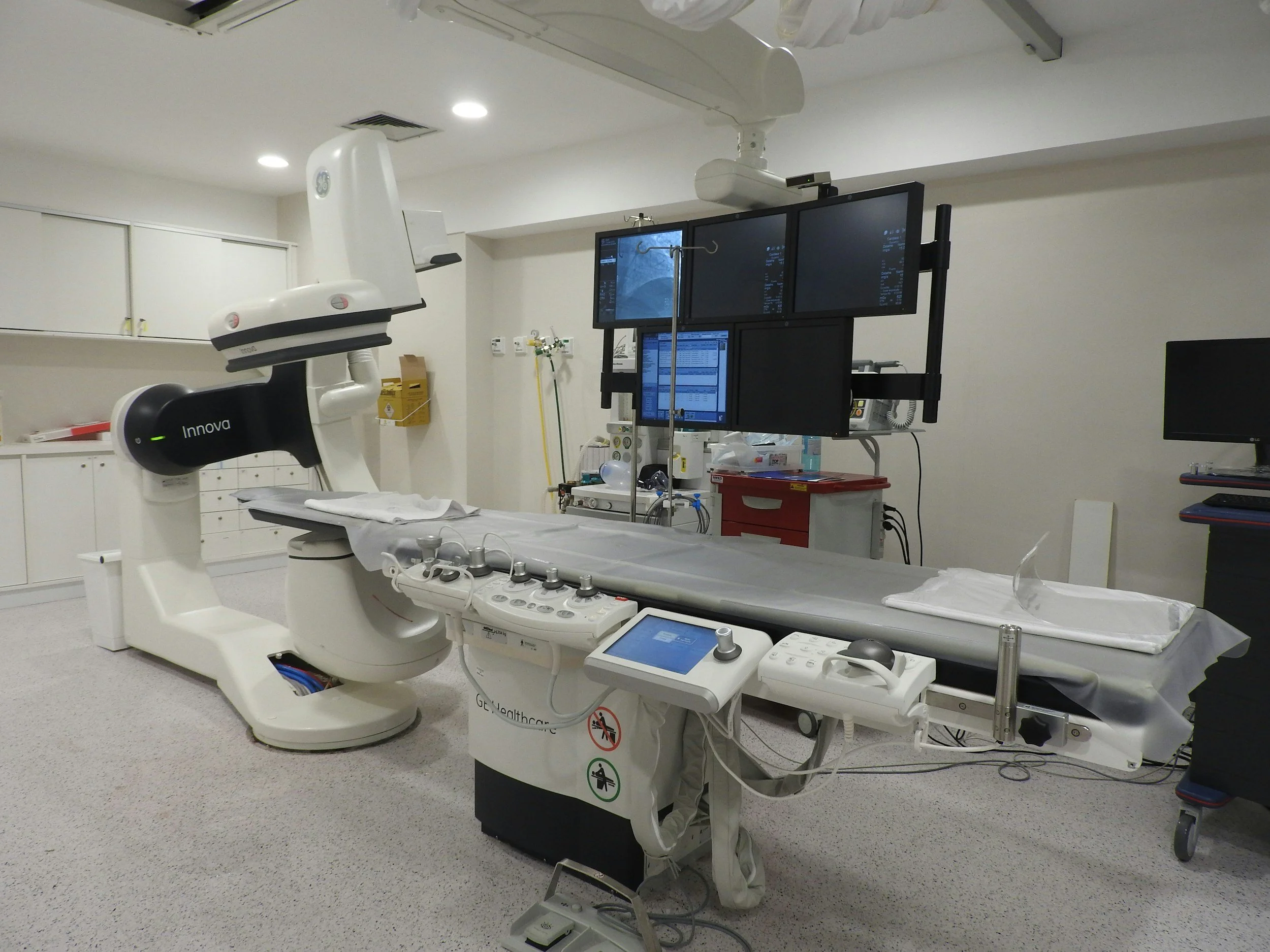
Driving Innovation in Interventional Cardiology
Alongside his clinical practice, Professor Spratt is the Founder of Optima Education, an internationally recognised medical education platform dedicated to advancing cardiovascular care through education, innovation and collaboration.
Through Optima Education, he works with leading cardiologists from around the world to develop and share the latest techniques in complex coronary intervention, coronary imaging and advanced cardiovascular technologies. The platform provides expert-led education, live case demonstrations and practical training, helping clinicians adopt new evidence-based treatments and technologies that improve patient care.
His commitment to education reflects his belief that continual learning and innovation are essential to delivering the highest standards of cardiovascular care. By remaining actively involved in training specialists worldwide, Professor Spratt ensures his patients benefit from the latest advances in interventional cardiology.

Areas of Expertise
Professor Spratt specialises in diagnosing and treating a wide range of coronary and structural heart conditions, including:
His specialist procedures include:
Complex coronary angioplasty (PCI)
Chronic Total Occlusion (CTO) intervention
Coronary physiology assessment
Intravascular ultrasound (IVUS)
Optical coherence tomography (OCT)
Coronary CT angiography
Calcium modification techniques for heavily calcified arteries
Radial (wrist) access coronary procedures
Left ventricular support during high-risk coronary intervention
Alcohol septal ablation for hypertrophic obstructive cardiomyopathy


Why Choose Professor Spratt?
Professor Spratt is recognised as one of Europe's leading specialists in Chronic Total Occlusion (CTO) intervention, having performed thousands of coronary procedures and trained cardiologists in more than 100 hospitals worldwide.
Patients choose Professor Spratt for his combination of internationally recognised expertise, pioneering procedural experience and personalised approach to care. Whether you require investigation for chest pain, treatment for angina, a second opinion following previous cardiac investigations, or advanced coronary intervention, he offers access to the latest evidence-based treatments and technologies in modern interventional cardiology.
His philosophy is simple: every patient deserves clear communication, expert clinical judgement and a treatment plan tailored to their individual circumstances, helping them make informed decisions with confidence.
Book an appointment with Professor Spratt
HCA London Bridge & Virtual Clinics
Wednesdays 9-5pm
News
-
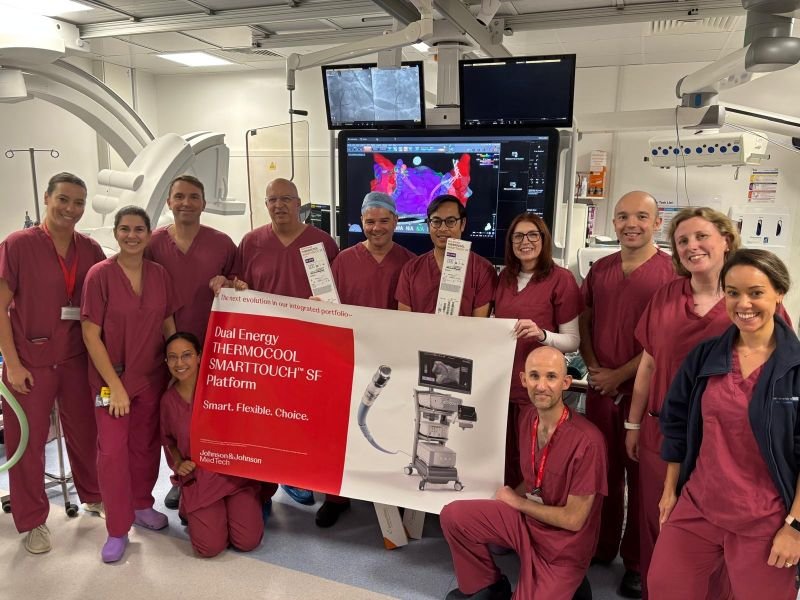
![Group of healthcare professionals in scrubs inside a medical imaging room, holding a banner promoting dual energy thermocool SMARTTOUCH SF platform, with monitors and medical equipment in the background.]()
Dr Li's NHS team first in UK to use groundbreaking technology
-
![Green glowing electrocardiogram (ECG) line on a black background, showing heart activity.]()
Dr Li interviewed by BHF on pacemakers
-
![A detailed model of a human heart placed on an open book with diagrams and text.]()
Dr Li's BHF interview on defibrillators
-
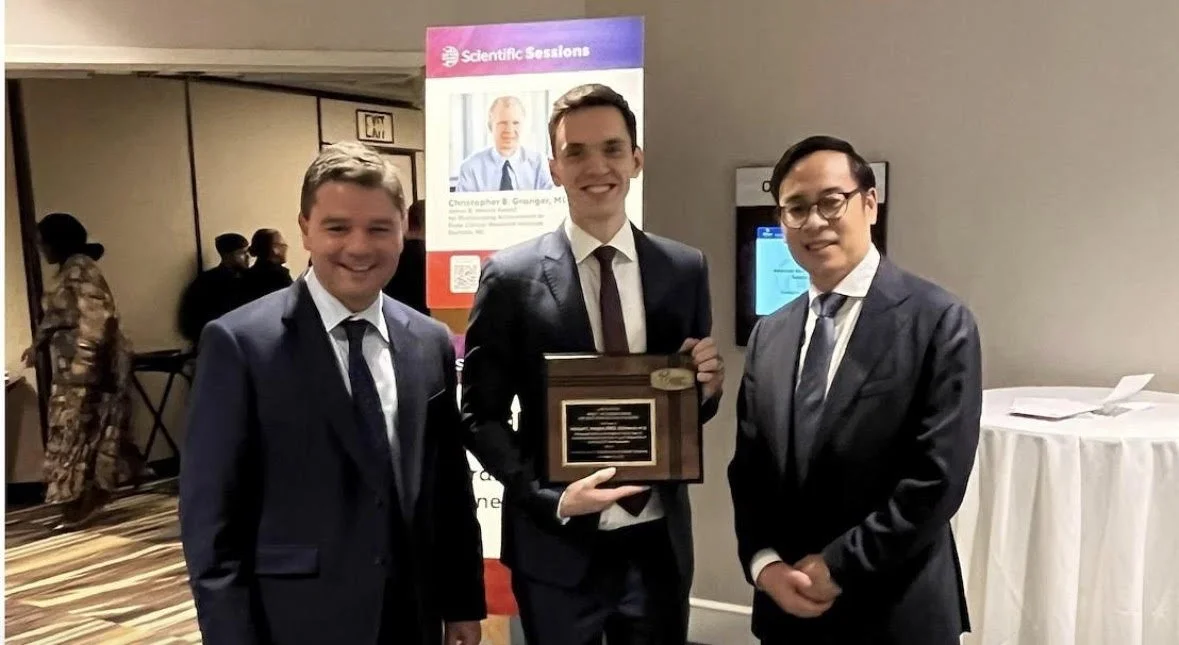
![Dr Li, Dr Saba and Dr Waight at a professional event or conference.]()
Dr Li's research team wins prestigious award