

Transcatheter Mitral Valve Repair (TEER) in London
A minimally invasive solution for mitral valve leakage
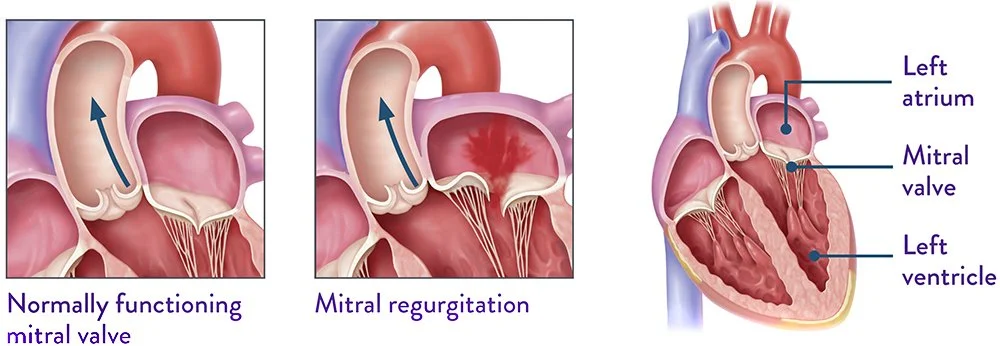
At London Heart Group, our expert cardiologists offer Transcatheter Edge-to-Edge Mitral Valve Repair (TEER) — a cutting-edge, minimally invasive procedure to treat mitral regurgitation, a condition in which the mitral valve in the heart does not close properly and allows blood to leak backward.
This advanced treatment helps improve symptoms, restore normal blood flow, and enhance quality of life — without the need for open-heart surgery.
What Is Mitral Regurgitation?
The mitral valve sits between the left atrium and left ventricle of your heart. It opens and closes with each heartbeat, ensuring blood flows in one direction.
When the valve becomes weakened or damaged, it may not close properly — causing blood to leak backward (known as mitral regurgitation). This can lead to symptoms such as:
Shortness of breath, especially during activity or when lying flat
Fatigue or reduced exercise capacity
Swelling in the ankles or legs
A feeling of rapid or irregular heartbeat (palpitations)
Over time, untreated mitral regurgitation can strain the heart and lead to heart failure.
What Is Transcatheter Mitral Valve Repair (TEER)?
TEER, also known as Transcatheter Edge-to-Edge Repair, is a minimally invasive treatment designed to reduce mitral valve leakage without the need for open-heart surgery.
During the procedure:
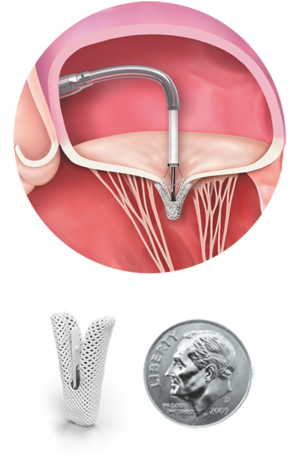
A thin catheter is inserted through a small puncture in a vein in the groin.
The cardiologist guides the catheter to the heart using real-time X-ray and ultrasound imaging.
A small clip-like device (such as MitraClip™ or Pascal™) is attached to the mitral valve’s leaflets, helping
them close more securely and reducing the backward leak of blood.
This improves the efficiency of your heart’s pumping action, reduces symptoms, and may prevent further heart damage.
Who Might Need TEER?
Your cardiologist may recommend TEER if you have moderate to severe mitral regurgitation and:
You experience symptoms such as breathlessness or fatigue despite medication
You are not suitable for open-heart surgery due to age or other health conditions
You have heart failure made worse by valve leakage
Your valve anatomy is suitable for clip repair, confirmed by detailed imaging
TEER offers an effective option for patients who previously had limited treatment choices beyond medication.
How Safe Is TEER?
TEER is a well-established and safe procedure, performed in specialist heart centres around the world.
At London Heart Group, all procedures are carried out by experienced structural heart cardiologists using the latest imaging and safety technology.
The procedure is minimally invasive, usually performed under general anaesthetic or conscious sedation.
There is no need for open-heart surgery or use of a heart-lung machine.
The risk of serious complications is low, with success rates exceeding 90% in suitable patients.
Most patients spend 1–3 days in hospital and recover much faster than with conventional surgery.
TEER has been shown to significantly reduce symptoms, hospital admissions, and improve quality of life for patients with mitral valve disease.
What to Expect Before and After the Procedure
Before TEER
You’ll have detailed heart imaging, including echocardiography and possibly cardiac CT or MRI, to confirm that your valve anatomy is suitable.
Your case will be reviewed by a multidisciplinary heart team, including cardiologists, cardiac surgeons, and imaging specialists.
During the Procedure
Performed in a specialist cardiac catheter laboratory
Lasts approximately 2–3 hours
The device is delivered through a vein in the groin — no chest incision is needed
After TEER
You’ll be monitored in a recovery area and may stay in hospital for 1–3 days
Most patients notice improved breathing and energy levels within weeks
You’ll have regular follow-up appointments and echocardiograms to monitor your valve function
Benefits of TEER
Minimally invasive – No open-heart surgery required
Faster recovery – Shorter hospital stay and quicker return to daily life
Symptom relief – Improved breathing and exercise tolerance
Reduced hospitalisations – Fewer admissions for heart failure
Proven outcomes – Long-term improvement in quality of life and heart function
ICD and CRT-D: What’s the Difference?
Some patients with weakened heart muscle may benefit from a cardiac resynchronisation therapy defibrillator (CRT-D) — a special type of ICD that also helps coordinate the pumping action of the heart’s chambers. Your cardiologist will advise which device is best for your specific condition.
London Heart Group – Private Cardiology & Structural Heart Care in London
If you’ve been diagnosed with mitral regurgitation or are experiencing symptoms such as breathlessness or fatigue, our cardiology specialists can help determine whether
Transcatheter Mitral Valve Repair (TEER) is right for you.
Call us on 0208 226 5888 or email enquiries@londonheartgroup.co.uk
Minimally invasive treatments, world-class expertise, and compassionate care for patients with heart valve disease.